Models A Normal model can be a useful tool for interpreting what data have to say sometimes. Your task
Models
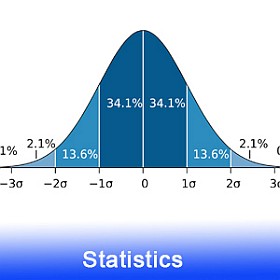
A Normal model can be a useful tool for interpreting what data have to say sometimes. Your task here is to check the usefulness of such a model for data you collect or create. There are three phases in completing this task:
- Collect Data
You need a data set with 30-50 values. Find something you are interested in. Use existing data, or create some yourself. Need an idea?
- Put 10 pennies in a glass, put your hand over the top, shake well, then dump them out on the table and count the number that came up heads.
- Roll two dice and record the table
-
Deal the cards from a well-shuffled deck one at a time. Count the
number of cards you have to turn over until you find an ace. - Use some data from another class - a science experiment, perhaps.
- Look something up in an almanac. For example, there are lots of tables of data about states crime rates, population density, median income, etc.
- Use some sports statistics Ð number of wins for baseball teams,, scored in a golf tournament, weights of players on a football team, etc.
- Find something on the Internet - www.census.gov for example
-
Describe the Data
Write a brief but thorough description of your data. Start with the W’s and remember to include visual, numerical and verbal descriptions. - Check the Normal model
Use the mean and the standard deviation of your data to create a Normal model. Compare this model to the distribution that you found and explain why you think the model is or is not useful.
Price: $11.5
Solution: The downloadable solution consists of 7 pages, 450 words and 4 charts.
Deliverable: Word Document
Deliverable: Word Document
-
 (See Solution) When we have categorical or nominal data, we can
-
[Solution] Case Study: The April 17 th 2000 issue of Business
-
[Solution Library] Address the following research problem: You are
-
[See Steps] The following output was generated from conducting
-
[Steps Shown] This exercise utilizes the SPSS data set titled
-
Privacy Policy - MathCracker.com

![[Solution] Case Study: The April 17 th](/images/solutions/MC-solution-library-81182.jpg "[Solution] Case Study: The April 17 th 2000 issue of Business")
![[Solution Library] Address the following research problem:](/images/solutions/MC-solution-library-81183.jpg "[Solution Library] Address the following research problem: You are")
![[See Steps] The following output was generated](/images/solutions/MC-solution-library-81184.jpg "[See Steps] The following output was generated from conducting")
![[Steps Shown] This exercise utilizes the SPSS](/images/solutions/MC-solution-library-81185.jpg "[Steps Shown] This exercise utilizes the SPSS data set titled")