
Math class doesn’t look the way it used to—and that’s a good thing. Digital tools that make math clearer, more interesting, and more human are changing the way classrooms work today.
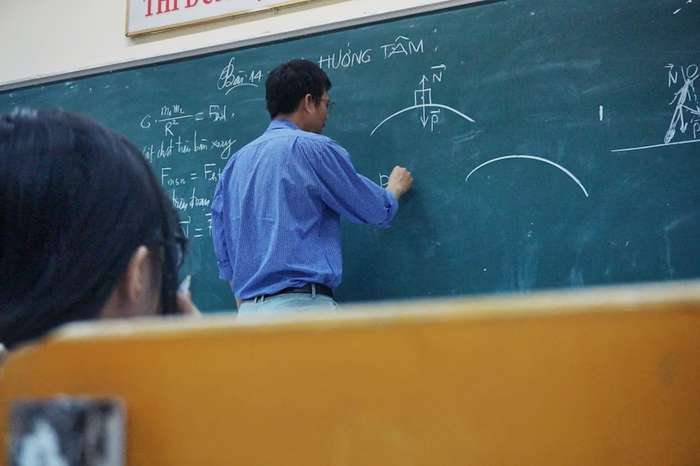
Programs like the Savvas math curriculum are part of a bigger shift toward learning experiences that meet students where they are, not where a textbook assumes they should be.
Modern digital math tools are changing the game for both students who are trying to finally "get" fractions and teachers who have to deal with students of different skill levels in the same room.
Let's go over how and why it matters.
From Textbooks That Don't Change to Learning That Is Interactive
For a long time, math classes followed a set pattern: lecture, notes, practice problems, and a test. Some students did well with that structure, but many others were confused, bored, or thought they were "just bad at math."
Digital math tools change the story.
Students don't just passively take in information; they interact with it. They change graphs. They try out ideas in real time. They don't just think about what happens when variables change; they actually see it happen.
This change from static to interactive learning makes math seem less abstract and more natural. Ideas change from "something the teacher explains" to "something the student looks into."
Personalized Learning Paths (Yes, Even in a Full Class)
Differentiation is one of the hardest things for teachers to do. You could have the following in the same classroom:
- Students running ahead
- Students who need to do things over and over
- Students who know why but have trouble with how
Digital math platforms are made with this in mind.
Modern tools can change the speed, level of difficulty, and amount of practice based on how well a student is doing. That means:
- Extra help when someone is stuck
- Extra activities for when someone is ready to learn more
- Less time spent going over what a student already knows
This doesn't feel like comparing students to each other; it feels more like having a learning path that works for them. It means that teachers can use data to make decisions instead of guessing.
Instant Feedback That’s Actually Useful
Think about how math feedback used to work. You'd finish an assignment, hand it in, and maybe find out which problems were wrong days later. At that point, the moment had passed.
Digital math tools change everything.
Students can now see feedback right away:
- Did I pick the right path?
- Where did my mind go wrong?
- What should I do next?
This quick feedback loop helps students fix mistakes while they're still working on the problem, which is a much better way to learn. It also encourages students to keep going; they are more likely to try again when feedback feels helpful instead of final.
Bringing Abstract Ideas to Life
Let's be honest: a lot of math is hard because you can't see it.
Digital tools make math real by:
- Models that you can see
- Moving pictures
- Graphs that you can interact with
- Simulations in the real world
Now, ratios aren't just numbers on a page; they are shown in pictures. Functions aren't secret equations; they're relationships that change in real time.
This can be the time when math finally makes sense for people who learn best through pictures.
Giving Teachers More Power, Not Taking Their Jobs
Many people are afraid that digital tools will "replace" teachers. In fact, the best math platforms do the opposite: they make things clearer and give teachers more control.
Teachers can do the following instead of spending hours grading or teaching the same idea in five different ways:
- Find out exactly where students are having trouble
- Better group students
- Talk and solve problems more often.
- Concentrate on teaching that requires a personal touch.
Technology takes care of the tasks that need to be done over and over. Teachers are focused on teaching.
Promoting a Growth Mindset in Math
A lot of students have math anxiety for a long time. A single negative encounter can lead to the conviction that “I’m just not a math person.”
Modern digital math tools work against that way of thinking.
By letting:
- Several tries
- Practice with low stakes
- Clear explanations of errors
Students learn that having trouble isn't failing; it's just part of the process. You can see progress. Confidence grows over time.
This change is small but strong. Students are more likely to participate, ask questions, and take intellectual risks when they feel safe making mistakes.
Connections to the Real World that Really Matter
Another question that students often ask is, "When am I going to use this?"
More and more, digital math platforms are being made to answer that question directly. Problems are set up around:
- Real-world situations
- Links between different fields
- Things students can use in real life
When math is linked to things we do every day, like money, technology, science, and even sports, it stops feeling like a school subject and starts to feel like a useful skill.
Helping Students Learn Outside of School
The bell doesn't stop learning.
With digital math tools, students can:
- Go over lessons at their own speed
- Practice at home or on the go.
- Go over explanations as many times as they need to.
This gives teachers and schools a way to help students learn outside of school hours without adding stress. It gives students more freedom, which is great for those who need more time or like to learn on their own.
Getting Students Ready for a Digital Future
Finally, we need to think about the big picture.
Students today are growing up in a world where data, technology, and problem-solving are very important. Using digital tools to learn math doesn't just help you do better on tests; it also helps you become more fluent in digital language.
Students get used to:
- Using technology to think about things
- Understanding data
- Being able to think critically and adaptively
Those skills are useful in a lot of other places besides math class.
The Bottom Line
Digital math tools today aren't just about making learning easier; they're also about making it smarter, more interesting, and more open to everyone.
They help students understand, feel good about, and be in charge of their learning.
For teachers, they give them information, freedom, and help where they need it most.
Digital platforms don't take the place of good teaching; they make it better when used wisely. And that change is already well underway in today's classrooms.
Related Calculators
In case you have any suggestion, or if you would like to report a broken solver/calculator, please do not hesitate to contact us .