
In the fast-evolving world of transportation, dispatch services trucking plays a critical role in ensuring goods are delivered efficiently. As businesses explore ways to optimize their operations, one crucial decision arises: should they invest in electric trucks or stick with traditional gas-powered ones? Both options come with unique benefits and challenges, making the choice heavily dependent on your business needs and goals.
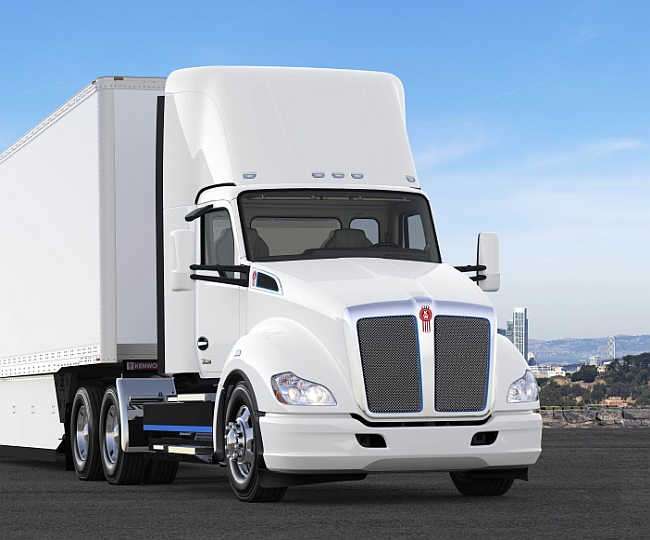
The Case for Electric Trucks: A Greener Alternative
Electric trucks are gaining traction for their environmental benefits and cost savings. These vehicles operate on electricity, which significantly reduces greenhouse gas emissions and dependence on fossil fuels.
- Lower Operational Costs. Electricity is generally cheaper than gasoline or diesel, leading to substantial savings in fuel costs over time.
- Government Incentives. Many regions offer tax credits and rebates for businesses that switch to electric fleets.
- Maintenance Benefits. Electric trucks have fewer moving parts, which can translate to reduced maintenance costs and less downtime.
However, electric trucks come with limitations, such as high initial costs and limited driving ranges. They may be ideal for short-distance routes or urban deliveries but less practical for long-haul operations.
Gas Trucks: Reliability and Range
Gas-powered trucks have long been the backbone of the trucking industry. Their reliability and established infrastructure make them a solid choice for many businesses.
- Extended Range. Gas trucks can cover long distances without needing frequent refueling, making them ideal for cross-country hauls.
- Infrastructure Readiness. Gas stations are widespread, ensuring that drivers have easy access to fuel wherever they are.
- Lower Upfront Costs. Compared to electric trucks, gas vehicles have a significantly lower purchase price, making them accessible for smaller businesses.
Despite these advantages, gas trucks contribute to carbon emissions and are subject to fluctuating fuel prices, which can strain operating budgets.
Factors to Consider for Your Business
Deciding between electric and gas trucks requires careful evaluation of your business’s specific needs:
- Route Lengths. For businesses with shorter routes or city deliveries, electric trucks might be more suitable. For long-distance hauls, gas trucks remain a better option.
- Budget. While electric trucks offer long-term savings, their upfront costs are higher. Consider your financial position and long-term goals.
- Sustainability Goals. Companies aiming to reduce their carbon footprint may lean toward electric trucks to align with environmental initiatives.
By assessing these factors, you can make an informed decision that best supports your business's operational and strategic objectives.
The Future of Trucking
The trucking industry is undergoing rapid changes, with advancements in technology and infrastructure shaping the way businesses operate. Electric trucks are becoming more viable as battery technology improves, and charging networks expand. At the same time, gas-powered trucks are adapting with more fuel-efficient models. The future may even see a hybrid approach, where businesses maintain a mixed fleet to balance costs and performance.
Conclusion
Choosing between electric and gas trucks depends on various factors, including your business operations, budget, and sustainability priorities. While electric trucks offer environmental benefits and long-term savings, gas trucks provide unmatched reliability and range. By carefully evaluating your needs, you can make an informed decision that drives your business toward success in a competitive market.
Related Calculators
 Terms of Service - MathCracker.com
In case you have any suggestion, or if you would like to report a broken solver/calculator, please do not hesitate to contact us .