
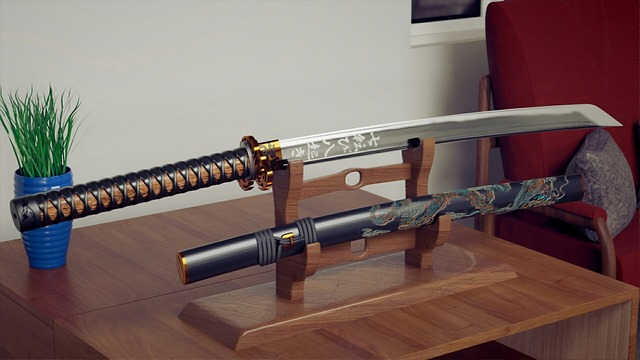
The katana, with its sleek curve, sharp edge, and rich history, has transcended its original purpose as a samurai weapon to become a powerful symbol in popular culture. Whether featured in films, video games, anime, or even fashion, the katana has evolved from a battlefield tool into a cultural icon that represents honor, power, and precision. Its journey from the hands of ancient warriors to the global stage of modern media is a fascinating reflection of how traditional symbols adapt and thrive in contemporary storytelling.
The Katana on the Battlefield: A Brief Historical Overview
The katana first emerged in feudal Japan, becoming the weapon of choice for samurai warriors during the late Heian period (794-1185). Its distinctive curved blade was designed for swift, precise cuts, especially in mounted combat. Beyond its practical uses, the katana held deep spiritual significance for the samurai, who viewed their swords as extensions of their souls. The forging of a katana was considered an art form, with master swordsmiths imbuing each blade with craftsmanship that reflected centuries of tradition.
As warfare techniques evolved and Japan entered periods of relative peace, the katana’s role as a battlefield weapon diminished. However, its symbolic importance continued to grow, cementing its place in Japanese culture. The samurai code of bushido, with its emphasis on loyalty, honor, and discipline, was often embodied in the sword itself.
The Katana in Film: A Cinematic Icon
The katana's transition from battlefield weapon to cinematic icon began with Japanese samurai films in the mid-20th century. Directors like Akira Kurosawa brought the world of the samurai to life through epic films such as Seven Samurai (1954) and Yojimbo (1961). In these films, the katana became not just a weapon, but a symbol of honor, skill, and the moral complexities of the warrior’s life. Kurosawa’s work helped popularize the image of the katana-wielding warrior beyond Japan’s borders, introducing the weapon to international audiences.
Hollywood soon embraced the katana as well. In Quentin Tarantino’s Kill Bill series, the katana takes center stage, used by the protagonist, The Bride, in her quest for vengeance. These films emphasize the katana’s grace, deadliness, and cultural mystique, positioning it as more than just a tool for combat. Instead, the katana becomes an emblem of the character’s journey, embodying themes of retribution, strength, and honor.
Another example is the Highlander series, where characters wield katanas in battles spanning centuries. The katana’s mythical qualities fit perfectly within the fantastical elements of the story, reinforcing its association with timelessness and otherworldly power. These portrayals have cemented the katana's place in Western popular culture as a weapon of choice for characters who exhibit exceptional skill, discipline, and a deep personal connection to the blade.
The Katana in Anime and Video Games
While the katana gained a foothold in global cinema, its influence in Japanese anime and video games further expanded its iconic status. In anime like Rurouni Kenshin, the katana plays a pivotal role, with the main character, Kenshin, wielding a reverse-blade sword. His decision to carry a weapon designed not to kill reflects the deep philosophical connections many characters share with their katanas in anime.
In the world of video games, the katana is often portrayed as the ultimate weapon for warriors, assassins, and samurai-like characters. Games such as Ghost of Tsushima, a recent hit, immerse players in the world of feudal Japan, where wielding a katana is central to the gameplay experience. These games not only pay homage to the katana’s historical roots but also allow players to engage with the blade in ways that reinforce its legendary status.
Symbolism and Influence in Fashion and Design
Beyond entertainment, the katana’s influence has permeated fashion, art, and design. The sleek, minimalist aesthetic of the katana’s blade and handle has inspired everything from luxury knife designs to fashion accessories. The katana’s design reflects an ideal balance between form and function, a concept that resonates with modern design principles.
Moreover, the katana often appears in tattoo art, symbolizing strength, precision, and honor. For many, the katana has come to represent personal values such as resilience and a dedication to mastery, echoing the traits of the ancient samurai who first wielded the blade.
The Katana’s Enduring Legacy in Popular Culture
The katana’s enduring appeal lies in its ability to straddle the line between weapon and symbol. While its days as a battlefield tool have long passed, its place in the cultural imagination has only grown stronger. From the silver screen to the digital world of video games, the katana remains a powerful icon of strength, honor, and artistry.
In the hands of filmmakers, game developers, and artists, the katana continues to evolve, representing not just a connection to Japan’s past but also a versatile symbol that resonates across cultures and generations. Its journey from battlefield to cinema is a testament to the enduring power of craftsmanship, storytelling, and tradition.
Related Calculators
 Write an Academic Essay by Gathering More Information about the Specific Topic - MathCracker.com
In case you have any suggestion, or if you would like to report a broken solver/calculator, please do not hesitate to contact us .